Learn how to pick the best science toys for kids aged 3 to 12 to boost STEM learning. Explore key features, benefits, and affordable pocket microscope options.
SEO URL Slug:how-to-pick-the-best-science-toys-for-kids-aged-3-to-12
Finding the best science toys for kids aged 3 to 12 can completely transform how your children learn, play, and explore the world around them. In an era dominated by smartphones, tablets, and passive screen time, parents and educators are actively seeking interactive, hands-on educational tools that ignite natural curiosity. Science, Technology, Engineering, and Math (STEM) toys bridge the gap between pure entertainment and meaningful learning, encouraging children to ask questions, perform experiments, and discover real-world scientific principles right from home or the backyard.
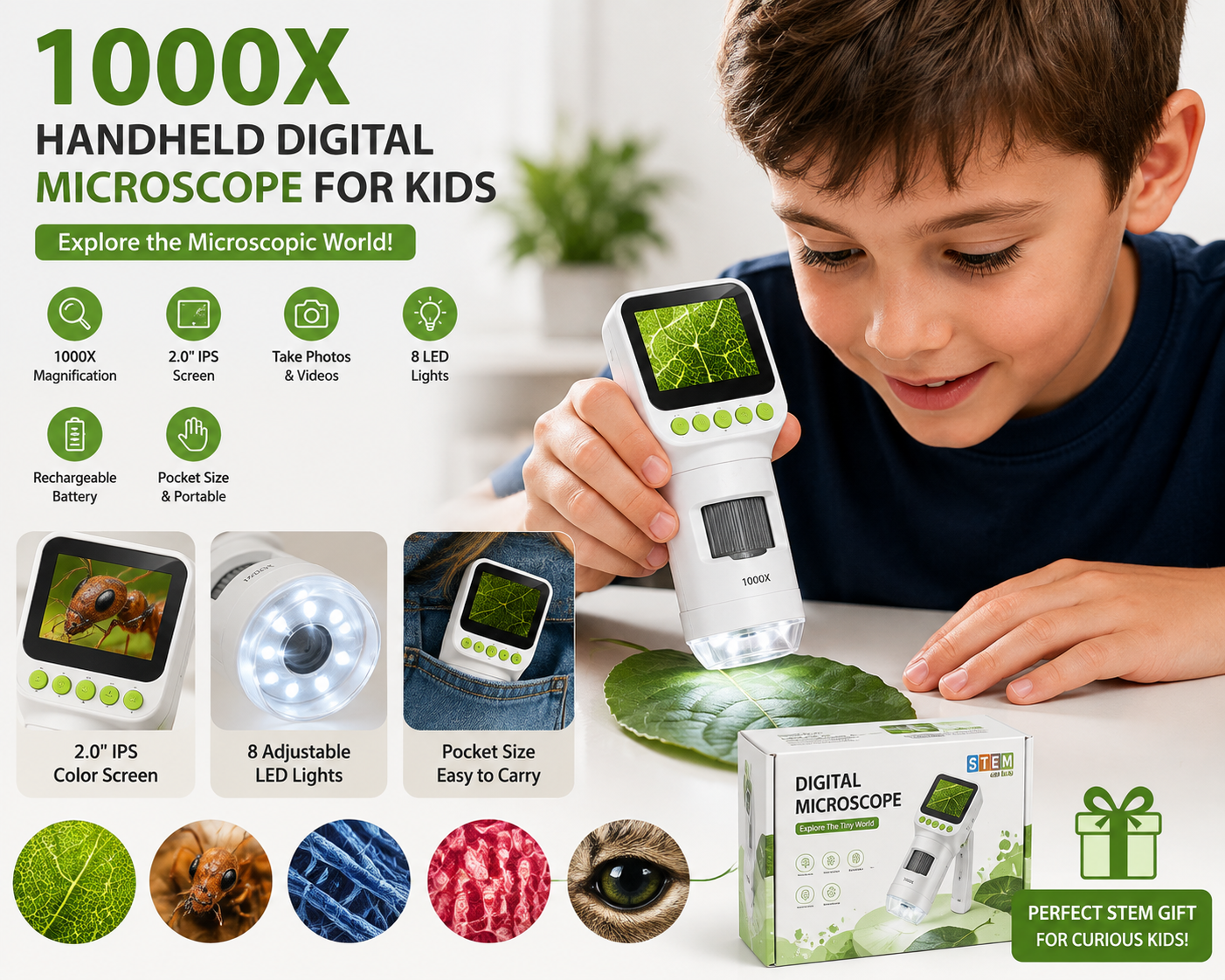
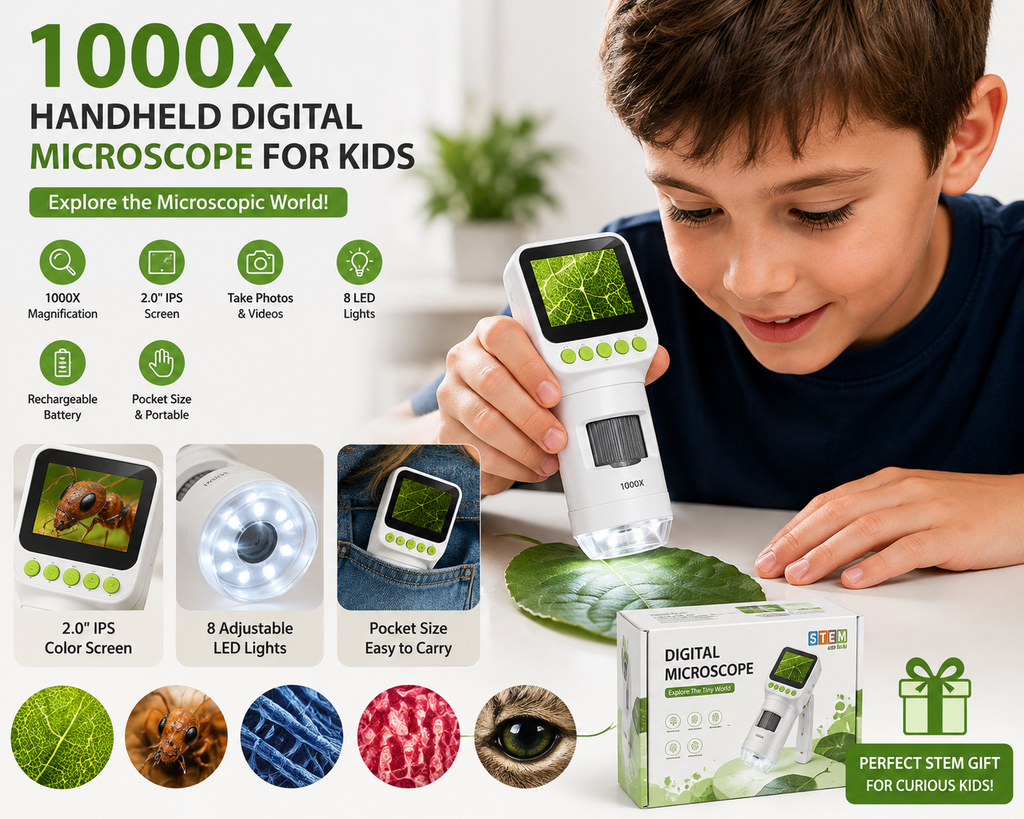
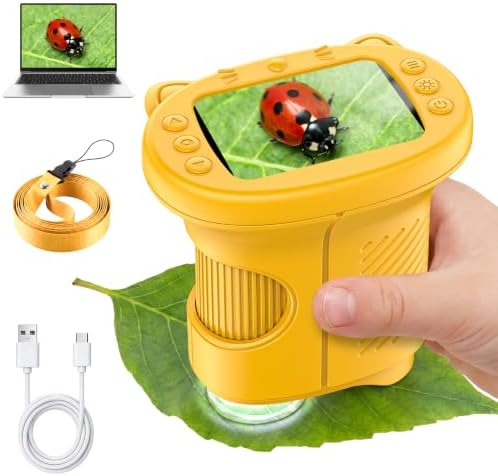
Choosing the right STEM product requires balancing age appropriateness, safety, ease of use, educational depth, and long-term engagement. Devices like the 1000X Handheld Digital Microscope for Kids offer a perfect example of an engaging science tool that adapts across multiple age groups, providing immediate visual discovery for toddlers while delivering real optical exploration for older elementary students.
Why Science & STEM Toys Matter for Early Child Development
Children are natural-born scientists. From inspecting bugs in the grass to tearing open household objects to see how they function, their early years are spent gathering sensory data. When you introduce targeted STEM toys, you provide structured avenues for that natural curiosity.
Replaces Passive Screen Time: Instead of staring at animated video feeds, kids actively manipulate physical devices, view live feedback, and control their own learning environment.
Encourages Critical Thinking: Science tools force children to hypothesize, adjust focus or parameters, test theories, and observe outcomes firsthand.
Builds Academic Confidence: Early exposure to scientific concepts makes formal classroom STEM subjects less intimidating and far more enjoyable as kids progress through school.
What to Look For: Essential Features of Top Educational Toys
When evaluating options to determine the best science toys for kids aged 3 to 12, look for core functional features that ensure safety, durability, and high educational value:
High-Definition Magnification & Imaging: Tools equipped with real optical and digital magnification (such as 1000X zoom with manual focus control) allow kids to view actual plant cells, insect anatomy, and fabric fibers in sharp 2MP resolution.
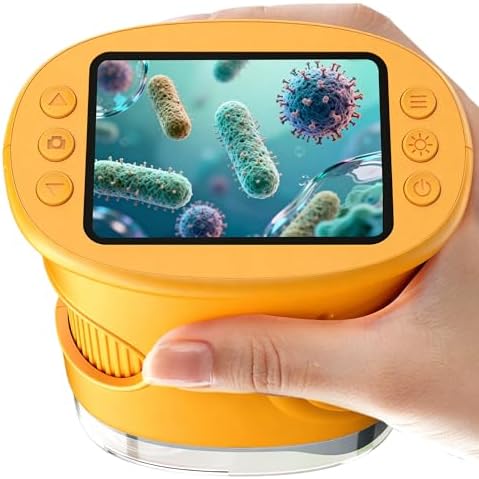
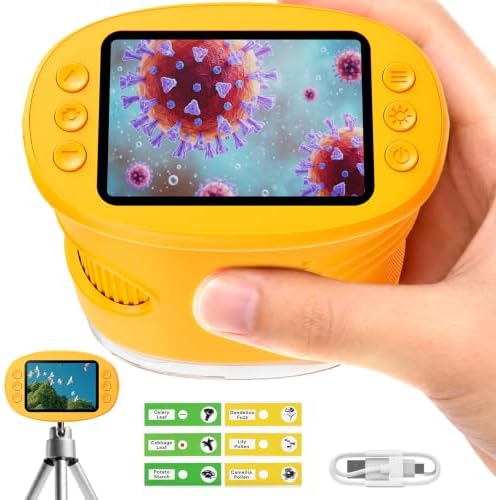
Built-in Display Screens: Integrated 2.0-inch IPS color screens eliminate the eye strain and frustration caused by traditional glass eyepieces, making it effortless for toddlers and young children to view specimens instantly.
Child-Friendly & Certified Safe Construction: Made from eco-friendly, non-toxic ABS plastic, top picks carry safety certifications (CE/FCC/CPC) featuring rounded edges, shock-absorbent casing, oversized focus dials for small hands, and lightweight designs (around 200g).
Adjustable Lighting Systems: Integrated multi-LED lighting setups with variable brightness modes illuminate dark specimens and eliminate glare during outdoor twilight exploration or indoor bedroom experiments.
Photo & Video Capture Capability: Storage capacity (such as internal memory for 200+ photos/AVI videos) lets young explorers document experiments, build digital research portfolios, and export files to computers for school presentations or science fairs.
Rechargeable Battery Power: Built-in rechargeable batteries (like 600mAh USB-C systems) eliminate the hassle of constant battery replacements and provide hours of continuous backyard exploration.
Educational Benefits Across Age Groups (Ages 3 to 12)
A primary challenge when shopping for educational products is finding items that grow with your child. A versatile pocket microscope delivers age-tailored developmental benefits across stages:
Toddlers & Preschoolers (Ages 3–5): Fosters fine motor skills through basic dial control and button pressing. Sparks immediate wonder by making familiar items—like leaves, coins, skin texture, and pet fur—look completely foreign and fascinating.
Early Elementary (Ages 6–8): Encourages independent outdoor exploration and nature study. Children learn basic scientific concepts such as light reflection, magnification levels, and specimen preparation without complex setup steps.
Upper Elementary & Pre-Teens (Ages 9–12): Serves as a practical tool for school science projects, biology homework, and hobby analysis (such as inspecting coins, stamps, or rocks). Allows older kids to record video logs, take high-resolution snapshots, and share discoveries with peers.
Practical Uses for Everyday Science Exploration
Backyard Nature Hunts: Take the lightweight device outdoors on a lanyard to inspect garden soil, leaf veins, flower pollen, tree bark, and live insects up close.
Household Material Testing: Examine everyday items around the house, including clothing threads, newspaper print dots, salt crystals, and thumbprints.
School Science Fair Projects: Use photo and video export capabilities to document step-by-step growth cycles of plants or compare structural differences between organic materials.
High Build Quality at a Reasonable Price Point
High-performing educational equipment does not need to cost hundreds of dollars. The 1000X Handheld Digital Microscope for Kids offers heavy-duty drop resistance, clear IPS optics, LED illumination, and media capture at a budget-friendly price point of $29.99. It delivers exceptional educational value and durability without requiring a heavy financial investment, making it an ideal birthday or holiday gift choice for any growing child.
Knowing how to pick the best science toys for kids aged 3 to 12 comes down to selecting durable, easy-to-use tools that inspire curiosity while providing real learning functionality. Upgrading to a feature-rich, portable handheld microscope ensures your child stays engaged, learns through hands-on practice, and enjoys the wonders of science for years to come.